A practical guide for measuring the Ecological Health Index of the dehesa ecosystem
Editorial: Project coordinated by the ‘Trashumancia y Naturaleza’ Association, WWF Spain, ANP-WWF Portugal, with support from the MAVA Foundation.
Autor/es: Actyva, Universidad de Extremadura
Written as part of the Iberian Dehesas & Montados Project, the objective of this project is to improve the ecological state and economic viability of the dehesa through the application of various cultural practices.
Editorial: Trashumancia y Naturaleza, MAVA, International Land Coalition
Autor/es: Concha Salguero Herrera
Local communities of different continents are experiencing a set of common phenomena that is occurring on a global scale: the loss of their traditional systems of knowledge, landscapes, cultures and ways of life.
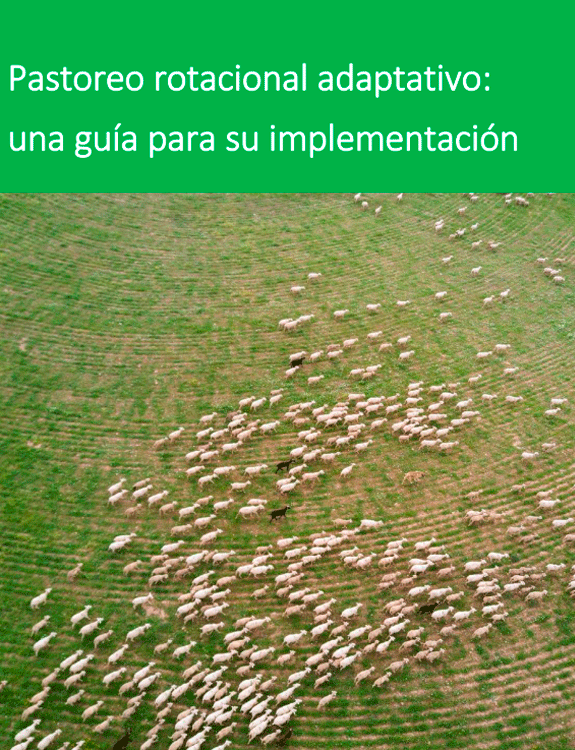
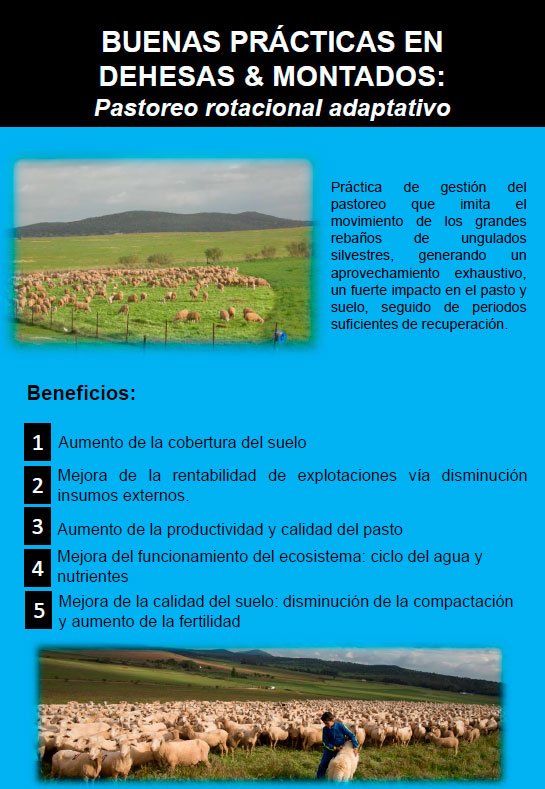
Adaptive rotational grazing: a guide to its application
Editorial: Trashumancia y Naturaleza, WWF España, ANP-WWF Portugal, MAVA
Autor/es: ACTYVA S. Coop. and the University of Extremadura
This guide is framed within the Iberian Dehesas & Montados Project, which seeks to improve the ecological state and economic viability of the dehesa through the application of various cultural practices such as adaptive rotational grazing.
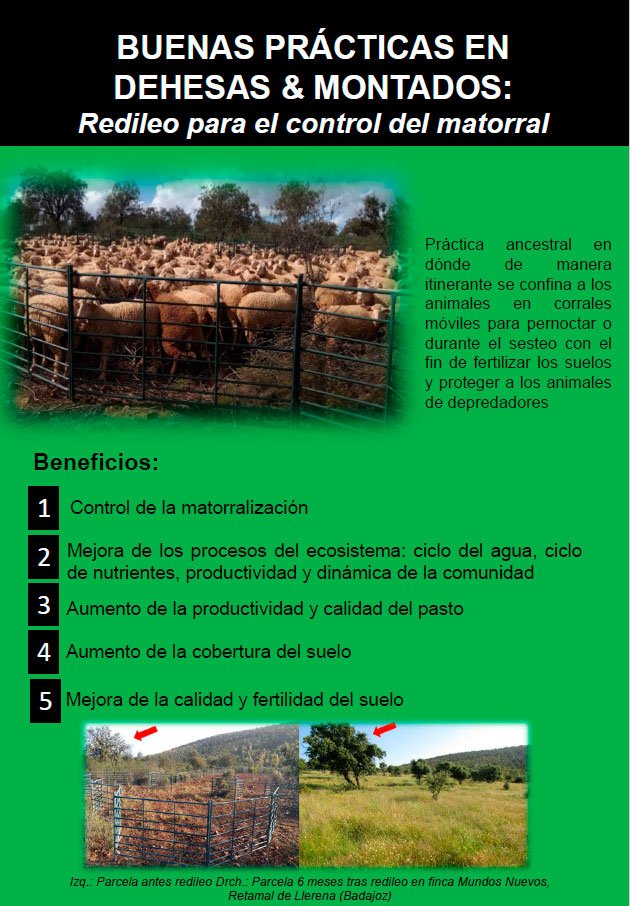
FACTSHEET: Penning as a technique for scrub control
Editorial: MAVA Foundation
Autor/es: Actyva (with support from ‘Trashumancia y Naturaleza’, WWF Spain and ANP WWF Portugal)
Written as part of the Iberian Dehesas & Montados Project. The project’s objective is to improve the ecological value and economic viability of the dehesa through the application of various cultural practices.
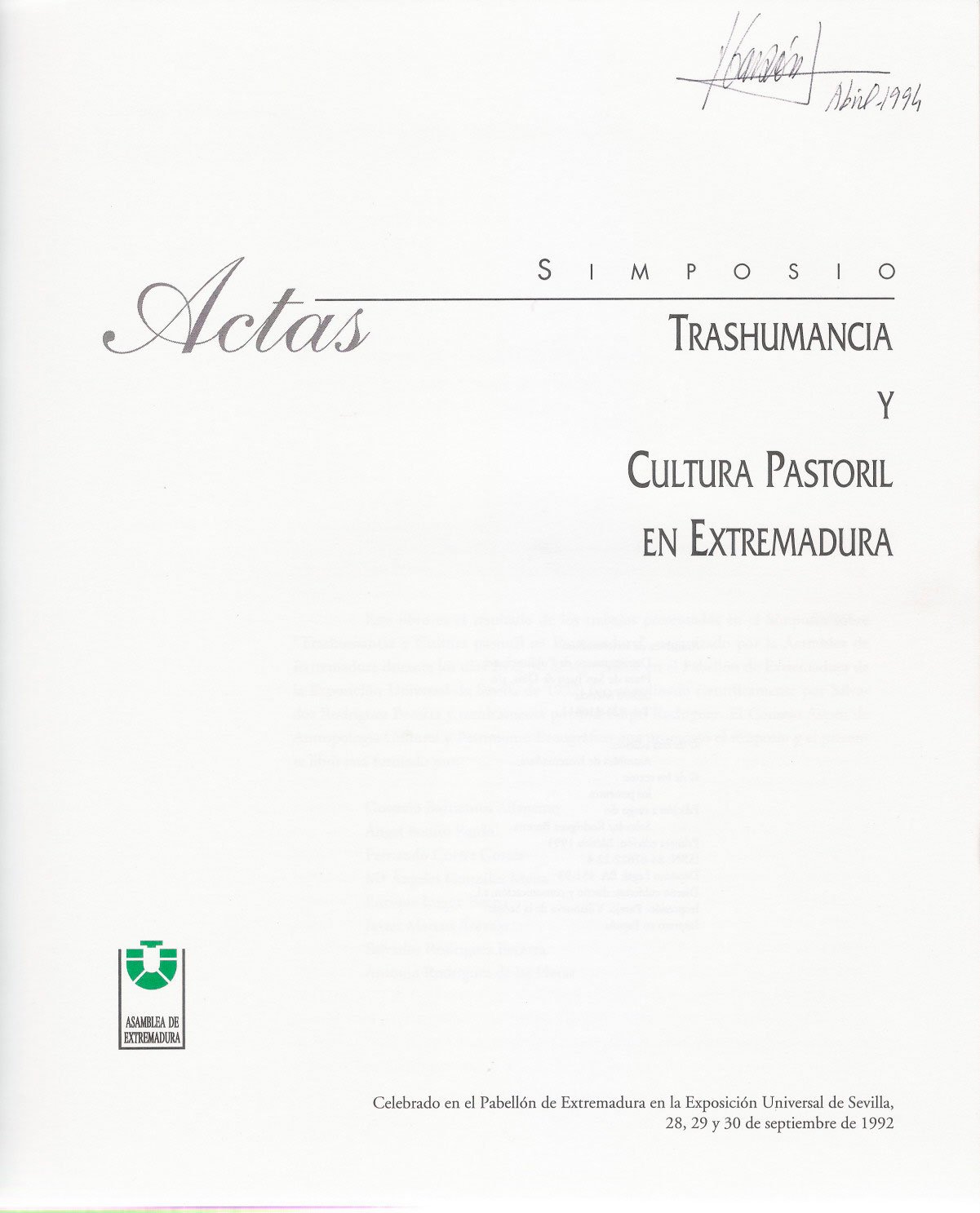
Jesús Garzón’s speech at the Transhumance and Culture Symposium in Extremadura, held in the Extremadura Pavillion as part of The Universal Exposition of Seville (Expo ’92),
28, 29 and 30 of September 1992
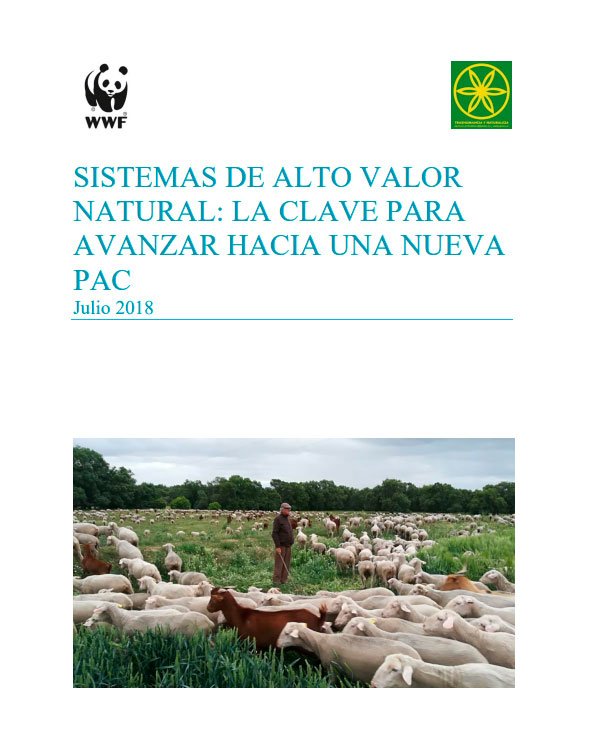
High Nature Value Farming: the key to progress in the new CAP
Autor/es: Trashumancia y Naturaleza, WWF España
The Common Agricultural Policy (CAP) receives almost 40% of the European budget and determines the management of most of the land under the European Union. Its objectives include ensuring food production and a fair income for farmers.
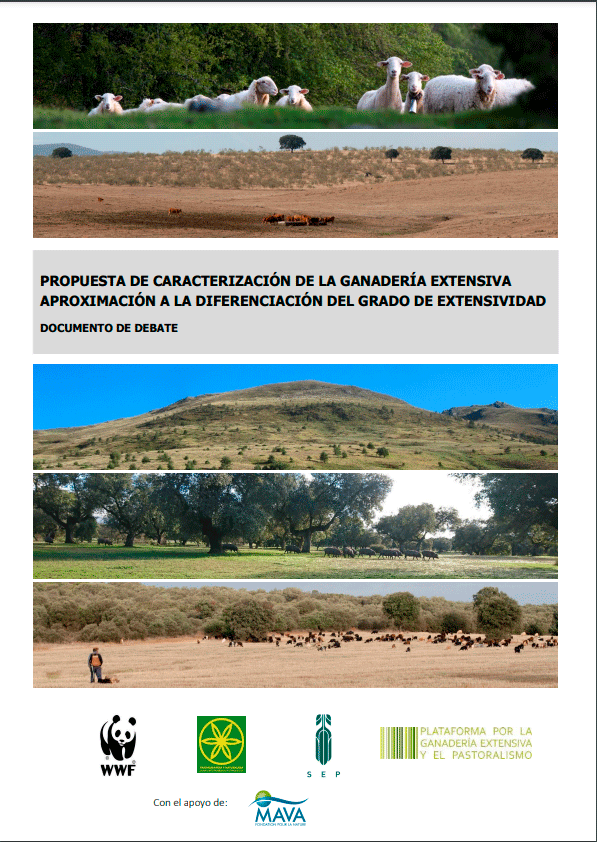
Proposal for the characterisation of extensive livestock farming.
Editorial: MAVA
Autor/es: Pablo Urivelarrea y Luis Linares. WWF España, Trashumancia y Naturaleza, la Sociedad Española de Pastos y la Plataforma por la Ganadería Extensiva y el Pastoralismo
This work, involving over 40 experts and institutions connected to extensive farming and Spanish pastoral systems, acts as a basis for the process of characterisation of extensive livestock farming.
Small Slaughterhouses: the key to viability for extensive livestock farming
Editorial: Trashumancia y Naturaleza
Autor/es: Beatriz Pontijas y Concha Salguero
The ‘Small Slaughterhouses’ report analyses the importance of building a network of small, local slaughterhouses with the goal of achieving sustainable systems of food production, as well as exploring the possibility of improving flexibility of the n
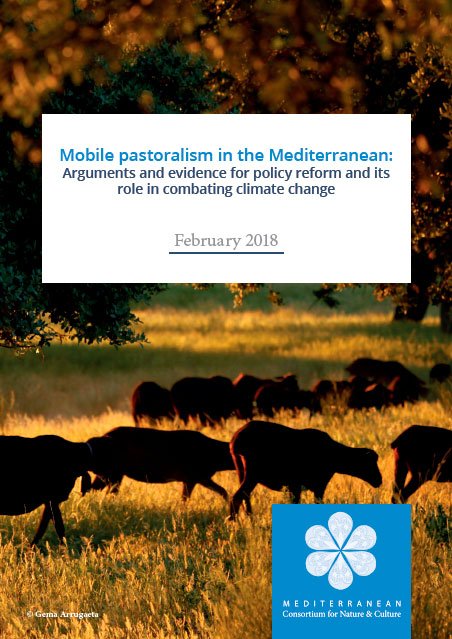
Mobile pastoralism in the Mediterranean: Arguments and evidence for policy reform and its role in combating climate change
Editorial: MAVA Foundation
Autor/es: Pablo Manzano-Baena y Concha Salguero-Herrera
Mobile pastoralism is one of the most efficient livestock farming systems
in terms of natural resource use and land management. It is also a highly
sustainable and economically rational system that makes the most of the Earth’s
less productive areas